
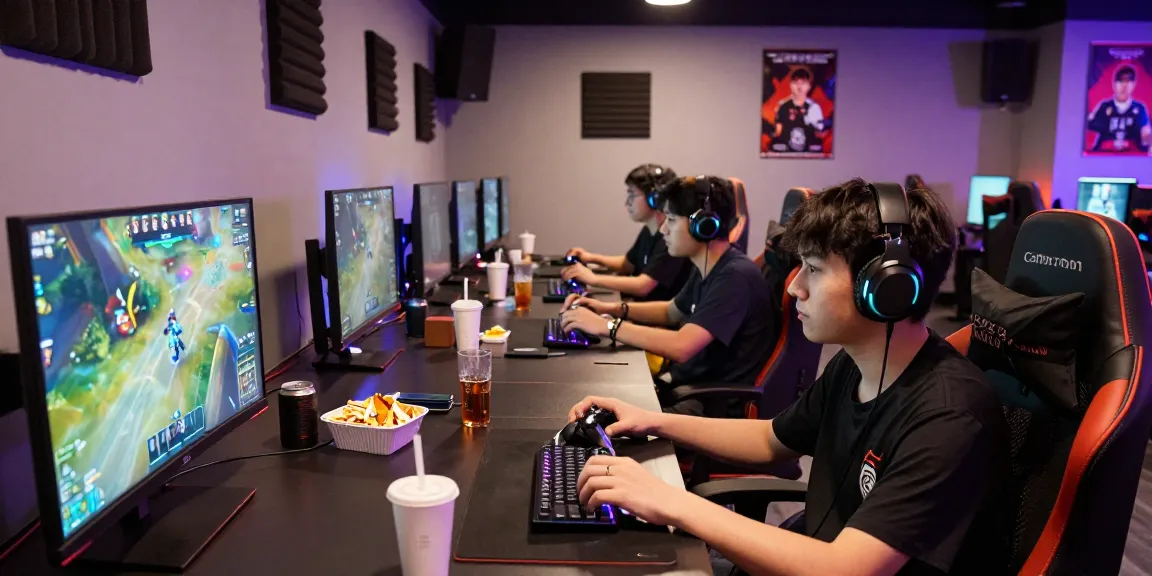
Understanding the Esports Landscape in 2026
As we enter 2026, the esports industry continues to expand at an unprecedented rate, transforming from a niche activity into a monumental cultural and economic force. With billions of dollars in revenue, a growing global audience, and increasing mainstream acceptance, esports is set to reshape not only the gaming world but also traditional sports. This article delves into key aspects of the esports landscape, including its popularity, major titles, demographic data, and technological advancements that are redefining the gaming experience. For comprehensive insights and resources on this evolving field, visit https://sc88.chat/.
What is Esports and Its Growing Popularity?
Esports, or electronic sports, refers to organized, multiplayer video game competitions, typically between professional players or teams. The appeal of esports lies in its accessibility and the skill-based nature of the games, which attract a diverse audience. Events are streamed live to millions around the world, mirroring the fanfare of traditional sports leagues.
The growing popularity of esports can be attributed to several factors:
- Increased Accessibility: With advances in streaming technology and the rise of platforms like Twitch and YouTube Gaming, fans can easily access tournaments and gameplay.
- Community Engagement: Esports thrives on community interaction, with players and fans often engaging on social media and forums, fostering a sense of belonging.
- Financial Investment: Major brands and sponsors are increasingly investing in esports, leading to higher prize pools and more professional opportunities for players.
Major Esports Titles and Trends to Watch
In 2026, several titles dominate the esports scene, each bringing unique gameplay experiences and competitive environments. Key games to watch include:
- League of Legends: Continues to be a staple in esports with its annual World Championship attracting millions of viewers.
- Dota 2: Known for its International tournament, boasting one of the largest prize pools in esports history.
- Valorant: A newcomer that has quickly gained popularity due to its tactical gameplay and community-driven events.
- Counter-Strike: Global Offensive: This classic remains relevant with a dedicated player base and regular updates that keep the game fresh.
- Fortnite: While more casual-oriented, its competitive scene is thriving, targeting younger audiences with creative events.
Key Demographics of Esports Viewers and Players
The audience for esports is diverse, encompassing various age groups, genders, and geographical locations. Recent studies indicate that:
- Age Range: The majority of esports viewers are aged between 18-34, with a growing interest from players aged 35 and older.
- Gender Distribution: While historically male-dominated, more women are participating in and viewing esports, with initiatives aimed at increasing female representation.
- Global Reach: Esports has a significant following in North America, Europe, and Asia, with countries like South Korea leading in both viewership and player development.
Exploring the Technological Advancements in Gaming
Technological innovations are at the heart of esports’ evolution, enabling better gameplay experiences and broader access for fans and competitors alike. As these advancements continue to emerge, they significantly influence the industry’s trajectory.
Next-Gen Gaming Hardware and Software Innovations
The gaming landscape is rapidly evolving with advancements in hardware and software:
- Graphics Improvement: Next-gen consoles and graphics cards are pushing the boundaries of visual fidelity, making games more immersive.
- Performance Enhancements: Technologies like ray tracing and AI-driven graphics are providing smoother gameplay experiences.
- Enhanced Connectivity: High-speed internet and 5G technology are allowing for lower latency and more reliable connections for competitive gaming.
The Role of Virtual Reality in Esports Experiences
Virtual reality (VR) is reshaping how gamers and audiences interact with esports. VR allows players to immerse themselves in their favorite games, providing a unique perspective that enhances competitive play. This technology is becoming more mainstream, with esports tournaments beginning to incorporate VR elements, creating a captivating experience for viewers and players alike.
Cloud Gaming: The Future of Access and Accessibility
Cloud gaming is transforming the accessibility of esports:
- Platform Independence: Players can access games from a variety of devices without needing high-end hardware.
- Subscription Services: Platforms like NVIDIA GeForce NOW and Google Stadia are democratizing access to premium games, allowing players to participate in esports with minimal investment.
- Global Reach: Cloud gaming provides opportunities for players in regions with limited access to consoles or PCs, expanding the player base.
Becoming a Professional Gamer: Steps to Success
For those interested in pursuing a career in esports, understanding the path to becoming a professional gamer is crucial. Here are essential steps for aspiring players:
Essential Skills and Training for Aspiring Gamers
To excel in esports, players must hone specific skills:
- Strategic Thinking: Understanding game mechanics and strategies is vital.
- Teamwork: Most esports require coordinated efforts; communication and collaboration are key.
- Practice: Regular and structured practice sessions are essential for skill improvement.
Building a Personal Brand in the Gaming Community
In the competitive world of esports, a personal brand can set players apart:
- Social Media Presence: Engaging with fans on platforms like Twitter and Instagram can build a loyal follower base.
- Content Creation: Streaming gameplay on platforms such as Twitch can showcase skills and attract sponsorships.
Strategies for Competing in Major Tournaments
Competing in tournaments requires preparation and strategy:
- Research Competitors: Understanding opponents’ strengths and weaknesses is crucial for effective strategy development.
- Practice Teams: Regularly practicing with teammates can improve synergy and response times during matches.
Monetization in the Gaming Industry
The financial landscape of esports is evolving, offering numerous pathways for players and streamers to monetize their involvement in the industry.
Understanding Revenue Streams: Sponsorships and Streaming
Many professional gamers and teams rely heavily on sponsorships and streaming revenue:
- Sponsorships: Companies are eager to partner with successful teams and players, offering lucrative contracts and support.
- Streaming: Platforms like Twitch and YouTube provide opportunities for gamers to earn from ads, subscriptions, and donations from fans.
The Impact of Merchandise on Gaming Income
Merchandise sales play a significant role in revenue generation:
- Team Apparel: Fans love to support their favorite teams by purchasing jerseys and branded merchandise.
- In-Game Items: Players often sell virtual items for popular games, contributing to their overall income.
Game Development: Profiting from Indie Games
Independent game developers are finding success in the esports ecosystem:
- Unique Gaming Experiences: Indie games often provide fresh gameplay mechanics that attract niche audiences.
- Community-Driven Development: Many indie titles involve player feedback in their development process, fostering a loyal fan base.
Future Trends and Predictions in Esports
As esports continues to evolve, several future trends are emerging:
The Evolution of Gaming Cultures and Communities
Gaming cultures are diversifying, with various subcultures blossoming around different game genres. This evolution fosters inclusive communities where players with shared interests can connect and grow.
How Blockchain Technology is Shaping Esports
Blockchain technology is being integrated into the esports ecosystem, offering:
- Ownership of In-Game Assets: Players can truly own their in-game items, which can also be traded or sold.
- Transparent Transactions: Blockchain ensures transparency in sponsorship and financial dealings, enhancing trust.
Predictions for Esports Regulation and Governance
As the industry matures, regulation will be vital. Upcoming challenges include:
- Player Rights and Protections: Ensuring fair contracts and treatment for players is becoming increasingly important.
- Integrity of Competition: Addressing issues like match-fixing and cheating is essential for maintaining the credibility of esports.
What are some popular esports games in 2026?
Popular esports games in 2026 include League of Legends, Dota 2, Valorant, and Fortnite, each offering vibrant communities and competitive scenes.
How can I start my esports career?
To start a career in esports, focus on building your skills, joining local or online competitions, and engaging with the gaming community through streaming or social media.
What technology is changing gaming the most?
Technologies such as cloud gaming, VR, and AI-driven gaming innovations are significantly transforming the gaming landscape, making it more accessible and immersive.
What are the best practices for streaming esports?
Best practices for streaming include engaging with your audience, maintaining a consistent schedule, and producing high-quality content that showcases your skills.
How can I monetize my gaming content?
Monetization strategies include sponsorships, subscription-based services, merchandise sales, and earned income from streaming platforms through ads and viewer donations.. Additionally, trang chủ sc88 provides further details.