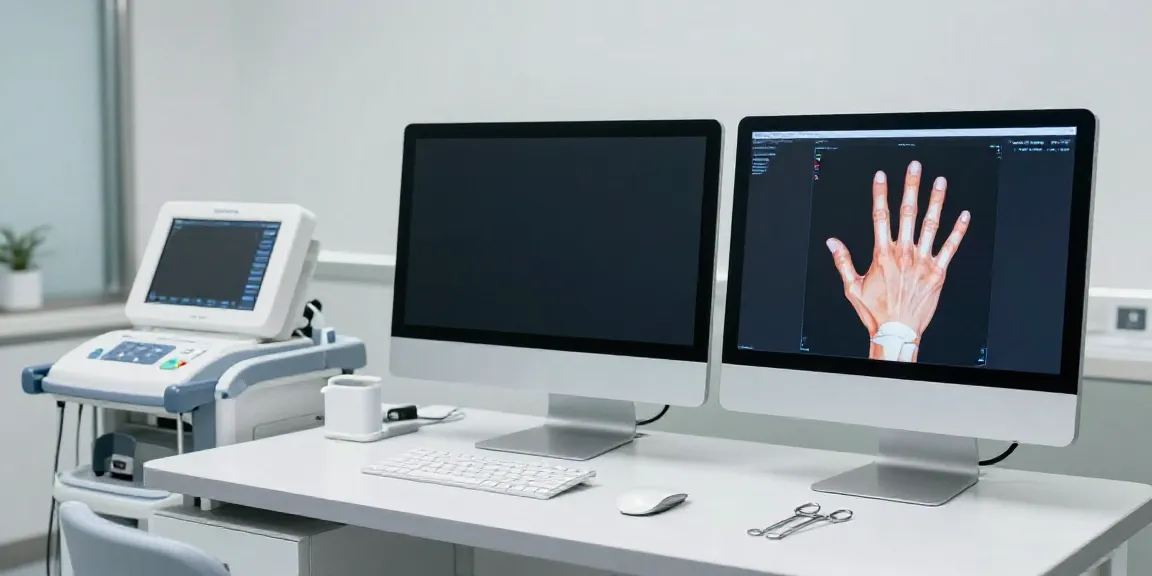
Understanding Gemeinschafts in Healthcare Practice
In the realm of healthcare, particularly within Arzt-, Gemeinschafts-, Kieferorthopädie-, and Zahnarztpraxen, the concept of Gemeinschafts is increasingly relevant. This term, which encompasses collaborative practices involving multiple healthcare professionals, has profound implications for patient care, data management, and legal compliance. As healthcare providers seek to enhance their services while safeguarding sensitive patient information, understanding the nuances of Gemeinschafts becomes essential. For comprehensive insights into operational frameworks, consider exploring Gemeinschafts practices.
What is Gemeinschafts in Healthcare Context?
Gemeinschafts refers to collaborative healthcare practices where multiple practitioners work together to provide seamless patient care. This model encourages not only the sharing of resources but also the integration of diverse expertise in treating patients. Such collaborations can enhance service delivery, allowing for a more holistic approach to health management. It often involves complex arrangements regarding data sharing and responsibilities, particularly in handling sensitive health information, which underscores the need for robust data protection measures.
Key Benefits of Gemeinschafts Approaches
- Improved Patient Care: By pooling resources and knowledge, Gemeinschafts practices can offer comprehensive treatment plans that address a wider range of patient needs.
- Enhanced Efficiency: Shared administrative tasks reduce the burden on individual practitioners, allowing them to focus more on patient care rather than paperwork.
- Collaboration Opportunities: Interdisciplinary work fosters a collaborative environment that can lead to innovative treatment solutions.
- Stronger Patient Relationships: With consistent communication and shared responsibilities, patients often feel more secure and valued.
Common Misconceptions about Gemeinschafts Practices
Despite their advantages, Gemeinschafts practices are often misunderstood. Some believe that collaborative practices complicate patient care; however, they can actually streamline processes. There is also a concern about data privacy, as multiple practitioners handling the same patient data can lead to potential breaches. It is critical for Gemeinschafts practices to implement strict data protection protocols to address these concerns and build patient trust.
Legal Foundations and Compliance Requirements
Legal compliance is paramount in Gemeinschafts healthcare settings, especially when it comes to the General Data Protection Regulation (GDPR) and other relevant legal frameworks. Understanding these regulations ensures that patient data is handled ethically and securely, fostering a culture of trust and accountability.
Understanding GDPR and Patient Data Protection
The GDPR establishes stringent requirements for the processing of personal data, particularly sensitive health information. Article 6 outlines lawful bases for processing, highlighting the importance of consent and the necessity for data processing in healthcare contexts. For Gemeinschafts practices, ensuring that all partners understand their obligations under GDPR is essential to mitigate legal risks.
Common Legal Pitfalls in Gemeinschafts Practices
- Lack of Clarity in Data Responsibility: When multiple practitioners are involved, it is crucial to establish clear protocols regarding data ownership and responsibility to prevent accountability issues.
- Insufficient Consent Mechanisms: Ensuring patients are well-informed and their consent is obtained is vital, particularly when data is shared among different practitioners.
- Neglecting Data Protection Training: Continuous training on data protection laws and practices for all staff members is essential to prevent accidental breaches.
Best Practices for Compliance and Patient Trust
To build trust, Gemeinschafts practices should implement best practices that align with GDPR and other legal requirements. This includes regular audits, transparent data handling processes, and patient education on their rights regarding data privacy.
Data Management in Gemeinschafts Healthcare
Effective data management is fundamental in Gemeinschafts practices. Proper handling of sensitive patient information not only protects privacy but also improves service delivery. Understanding the types of data processed and implementing strategic data handling measures is a critical aspect of compliance and care quality.
Types of Data Commonly Processed in Gemeinschafts
Common data types processed within Gemeinschafts healthcare include personal identification information, health records, treatment plans, billing information, and communication logs. Each category of data comes with its own set of compliance requirements, making it imperative to have a clear data management strategy in place.
Recommended Data Processing Measures
- Data Encryption: Encrypting sensitive data ensures that unauthorized parties cannot access it, protecting patient confidentiality.
- Regular Audits: Conducting regular audits helps identify potential vulnerabilities in data handling and compliance practices.
- Role-Based Access Control: Limiting access to sensitive data to only those who need it reduces the risk of unauthorized exposure.
Establishing Effective Data Retention Policies
Compliance with data retention policies is critical in any healthcare practice. Establishing clear guidelines on how long data should be retained, when it should be anonymized, and how it will be securely disposed of is necessary to prevent unauthorized access and ensure compliance with legal mandates.
Digital Accessibility in Healthcare Services
Digital accessibility plays a vital role in ensuring that all patients, regardless of their abilities, can access healthcare services. With an increasing reliance on digital solutions, practices must prioritize accessibility to enhance patient inclusivity.
Importance of Digital Accessibility for Patients
Ensuring that digital platforms are accessible not only complies with the Barrierefreiheitsstärkungsgesetz but also improves overall patient experience. Accessible digital services enable all patients to engage with their healthcare providers effectively, fostering a more inclusive healthcare environment.
Guidelines for Implementing Digital Accessibility
- Follow WCAG Standards: Adhering to WCAG 2.1 guidelines provides a framework for creating accessible digital content.
- Regular User Testing: Involving patients in testing can reveal specific accessibility barriers and areas for improvement.
- Provide Alternative Formats: Offering information in various formats ensures all patients can obtain the necessary information.
Cost-effective Strategies for Enhancing Accessibility
Implementing digital accessibility does not have to be cost-prohibitive. By utilizing existing resources, prioritizing key areas for improvement, and leveraging available technologies, practices can enhance accessibility effectively and efficiently.
Future Trends in Gemeinschafts Healthcare Practices
As the healthcare landscape continues to evolve, Gemeinschafts practices must remain adaptable to emerging trends and technologies that enhance accessibility and patient care.
Emerging Technologies Impacting Healthcare Accessibility
The rise of telemedicine, artificial intelligence, and patient engagement platforms are reshaping how healthcare is delivered. These technologies can facilitate more streamlined operations, improve patient access, and create more personalized healthcare experiences.
Looking Ahead: Trends for 2026 and Beyond
- Increased Use of AI: AI will play a key role in personalizing patient care and optimizing operational efficiency.
- Expansion of Telehealth Services: More healthcare providers are likely to adopt telehealth, improving access for patients in remote areas.
- Focus on Cybersecurity: With the rise of digital health records, practices will need to prioritize cybersecurity to protect sensitive data.
How to Prepare Your Practice for Future Challenges
Staying abreast of technological advancements while ensuring compliance and accessibility requires strategic planning. Practices should invest in training, adopt new technologies thoughtfully, and maintain open lines of communication among all team members to navigate changes effectively.
What are the key components of Gemeinschafts healthcare?
Key components include collaboration among practitioners, strong data protection measures, effective patient communication, and a commitment to digital accessibility. These elements work together to create a secure, supportive, and efficient healthcare environment.
How can digital tools enhance Gemeinschafts practice?
Digital tools can improve communication, streamline administrative processes, and enhance patient interaction, fostering a more integrated approach to care.
What steps are necessary for compliance in patient data handling?
Compliance hinges on understanding legal frameworks, implementing robust data management practices, and ensuring continuous staff training on GDPR and data privacy regulations.
How does digital accessibility affect patient care?
Digital accessibility ensures all patients can engage with healthcare services, improving health outcomes and patient satisfaction while fostering inclusivity.
What future changes should Gemeinschafts practices anticipate?
Gemeinschafts practices should prepare for the integration of advanced technologies, evolving regulatory landscapes, and an increased emphasis on patient-centered care that prioritizes accessibility and security.